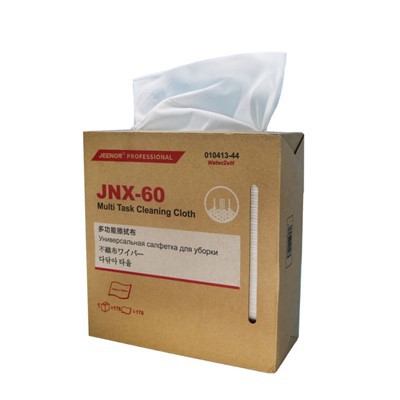
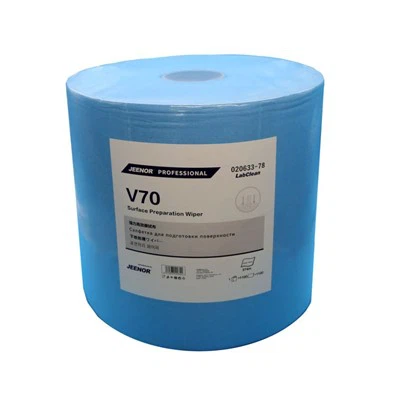
Non-woven fabric pigments refer to the pigments used on non-woven fabrics. Non-woven fabrics are composed of oriented or random fibers. They are a new generation of environmentally friendly materials. They are moisture-proof, breathable, flexible, light, non-combustible, and easy to decompose. , Non-toxic, non-irritating, rich in color, low price, recyclable and so on.
Non-woven fabric pigments refer to the pigments used on non-woven fabrics. Non-woven fabrics are composed of oriented or random fibers. They are a new generation of environmentally friendly materials. They are moisture-proof, breathable, flexible, light, non-combustible, and easy to decompose. , Non-toxic, non-irritating, rich in color, low price, recyclable and so on. For example, polypropylene (PP material) pellets are mostly used as raw materials, which are produced by continuous one-step method of high-temperature melting, spinning, laying, and hot-pressing. Because of its appearance and certain properties, it is called cloth or non-woven fabric. According to its characteristics, non-woven fabrics require that non-woven fabric pigments must be bright and resistant to a certain temperature.
Non-woven products are rich in color, beautiful and generous, fashionable and environmentally friendly, bright and bright, versatile, with diverse patterns and styles, and are light, environmentally friendly, and recyclable. They are internationally recognized as environmentally friendly products that protect the earth's ecology. Suitable for agricultural film, shoemaking, tanning, mattresses, quilt, decoration, chemical, printing, automobile, building materials, furniture and other industries, as well as clothing interlining, medical and health disposable surgical gowns, masks, caps, bed sheets, hotels Disposable tablecloths, beauty, sauna and even today's fashionable gift bags, boutique bags, shopping bags, advertising bags and so on. Environmentally friendly products, versatile and economical.
In addition to being bright, non-woven fabric pigments must be able to withstand a certain temperature, but also require environmental protection, easy dispersion, migration resistance, low filtration value, and when used in certain specific purposes, they also need to be resistant to a certain amount of light. Non-woven fabric pigments generally have Benzidine yellow, permanent yellow 14, permanent yellow 83, golden red, light fast red BBN, light fast brilliant red 2BP, sapphire red, brilliant red, pigment red 112, pigment red 254, phthalocyanine green, phthalocyanine blue, etc. Etc. Among them, Pigment Red 254, Permanent Yellow 83, Phthalocyanine Green, Phthalocyanine Blue have particularly good temperature resistance and light resistance. Non-woven fabrics with higher requirements can choose this type of pigment.
For example, polypropylene (PP material) pellets are mostly used as raw materials, which are produced by continuous one-step method of high-temperature melting, spinning, laying, and hot-pressing. Because of its appearance and certain properties, it is called cloth or non-woven fabric. According to its characteristics, non-woven fabrics require that non-woven fabric pigments must be bright and resistant to a certain temperature.
Non-woven products are rich in color, beautiful and generous, fashionable and environmentally friendly, bright and bright, versatile, with diverse patterns and styles, and are light, environmentally friendly, and recyclable. They are internationally recognized as environmentally friendly products that protect the earth's ecology. Suitable for agricultural film, shoemaking, tanning, mattresses, quilt, decoration, chemical, printing, automobile, building materials, furniture and other industries, as well as clothing interlining, medical and health disposable surgical gowns, masks, caps, bed sheets, hotels Disposable tablecloths, beauty, sauna and even today's fashionable gift bags, boutique bags, shopping bags, advertising bags and so on. Environmentally friendly products, versatile and economical.
In addition to being bright, non-woven fabric pigments must be able to withstand a certain temperature, but also require environmental protection, easy dispersion, migration resistance, low filtration value, and when used in certain specific purposes, they also need to be resistant to a certain amount of light. Non-woven fabric pigments generally have Benzidine yellow, permanent yellow 14, permanent yellow 83, golden red, light fast red BBN, light fast brilliant red 2BP, sapphire red, brilliant red, pigment red 112, pigment red 254, phthalocyanine green, phthalocyanine blue, etc. Etc. Among them, Pigment Red 254, Permanent Yellow 83, Phthalocyanine Green, Phthalocyanine Blue have particularly good temperature resistance and light resistance. Non-woven fabrics with higher requirements can choose this type of pigment.