Now in the supermarket, we can often see a lot of fruits and vegetables. Sometimes, these fruits are not seasonal, but we can still eat them, which is benefited from greenhouse cultivation. However, every winter, the citrus vegetable planting area will suffer from frost and cold damage, which will harm the vegetables and cause different degrees of loss.
Before, many people would choose to cover the plants with cold film in winter, which can effectively avoid the damage caused by bad weather such as rain, snow and frost damage to vegetables and fruits. At the same time, it can effectively prevent rain, dust, lichens and other diseases on fruits and vegetables. The most important thing is that it can also help fruit coloring, reduce the use of pesticides, extend the market supply period, and increase the income, but the plastic shed film is not breathable and cannot be avoided.
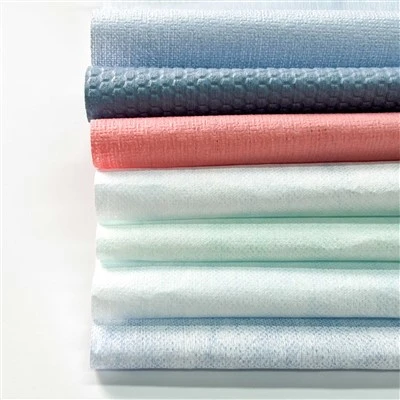
However, the new type of anti-cold and anti-cloth will improve these shortcomings, and have a good micro-climate regulation function, which can be insulated, which can not only improve the environment and growth conditions, but also play a protective role. The field of agricultural production is widely used as agricultural covering materials, plant growth matrix materials, greenhouse materials and farmland water and soil protection materials, and has achieved remarkable results. Although it is light in weight, it has good mechanical properties, its toughness and The strength is high, and it can usually be repeated and used many times, which undoubtedly greatly reduces the use of non-woven fabrics, and its easy recycling characteristics make it more environmentally friendly.
Features of cold cloth:
1, cold: waterproof and cold, prevent frost.
2, waterproof, breathable: prevent high temperature inside the membrane, causing sun fruit; conducive to flower bud differentiation, reduce the size of the annual rate; no water seepage, anti-frost snow and freezing rain, natural ventilation, ventilation, no burning, no burning fruit .
3, promote color: bright color, good sales, fruit coloring, low return rate.
4, reduce the shrinkage rate of citrus in the mature period, reduce the fruit drop, the average fruit drop rate is reduced by more than 30%;
5, the sugar orange tree is not picked, can keep the fruit fresh, staggered and listed, reducing the pressure of picking, transportation, storage and so on. (For example, the normal climate of Guangxi sugar orange is mature from November to December. If the canopy cover is used to protect the cold, the rain can be extended to January to March, which is beneficial to the wrong front.)
6. Free shed, It saves time and effort, reduces costs, reduces the rate of icing in the shed under low temperature conditions, and maximizes the quality of fruits in low temperature areas.
7. Green environmental protection products: Made from degradable polymer, a new concept of environmental protection agriculture.