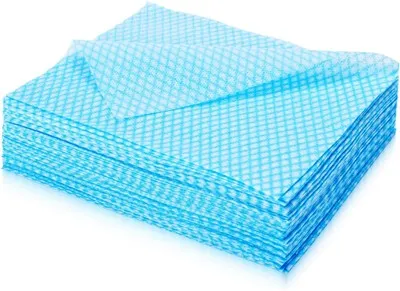
Hospitals use dry wipes for a variety of purposes due to their convenience, versatility, and effectiveness in maintaining cleanliness and hygiene within healthcare settings. Here are some reasons why hospitals use dry wipes:
Cleaning and Disinfecting Surfaces: Dry wipes are commonly used to clean and disinfect surfaces in hospitals, including countertops, medical equipment, patient beds, and examination tables. They help remove dirt, dust, and contaminants while also allowing for the application of disinfectant solutions to kill or reduce the spread of harmful microorganisms.
Infection Control: Dry wipes are an essential tool in infection control protocols. Healthcare professionals use them to wipe down surfaces between patients and to maintain a clean and sanitary environment that reduces the risk of healthcare-associated infections (HAIs).
Spill Cleanup: Hospitals often deal with spills of bodily fluids, medications, and other substances. Dry wipes are used to quickly absorb and contain these spills, preventing the spread of contaminants and providing a safer environment for patients and healthcare workers.
Wound Care: Dry wipes are used for gentle and hygienic wound cleaning and dressing changes. They are designed to be soft and non-abrasive, minimizing the risk of injury or discomfort to patients.
Patient Hygiene: Dry wipes can be used for personal hygiene purposes, such as cleaning patients' hands, faces, or perineal areas. They are especially useful for bedridden or immobile patients who may have difficulty using traditional soap and water.
Dusting and General Cleaning: Dry wipes are versatile for general cleaning tasks within healthcare facilities. They can be used to dust shelves, surfaces, and equipment, ensuring a clean and sanitary environment.
Instrument Cleaning: In some cases, dry wipes are used for the initial cleaning and removal of debris from medical instruments before further sterilization or disinfection processes.
Non-Latex Option: Many dry wipes are latex-free, making them suitable for use with patients and healthcare workers who may have latex allergies.
Single-Use Hygiene: Dry wipes are often designed for single-use, which reduces the risk of cross-contamination between patients and ensures a consistent level of hygiene.
Convenience and Portability: Dry wipes are easy to store, transport, and use throughout healthcare facilities. They do not require the use of water or additional cleaning solutions, making them a convenient option for quick cleanups and routine maintenance.
It's important to note that while dry wipes are useful for many cleaning and hygiene tasks in hospitals, they should be used in conjunction with proper hand hygiene practices and appropriate infection control measures to maintain a safe and sanitary healthcare environment. Additionally, hospitals often follow strict protocols for the disposal of used wipes to prevent the spread of infection.