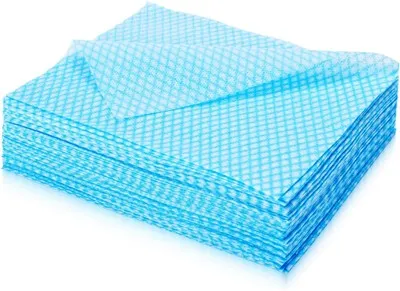
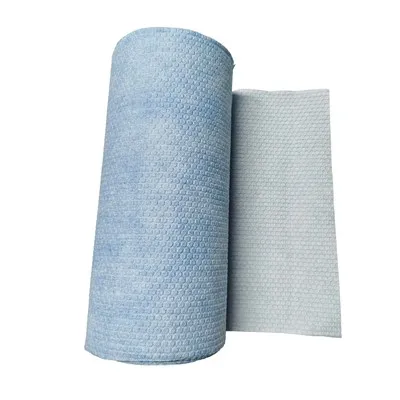
Polypropylene spunbond nonwoven fabric is a type of nonwoven fabric made from polypropylene fibres. It is produced by mechanically bonding a random array of fibres into a cohesive fabric using thermal, mechanical, or chemical methods.
The manufacturing process of polypropylene spunbond nonwoven fabric involves several steps. First, polypropylene fibres are drawn from a spinneret and placed onto a conveyor belt in a random pattern. Then, the fibres are mechanically bonded together using various techniques such as point-to-point bonding, needling, or hydroentanglement. The resulting fabric has a dense and uniform structure with good physical properties, such as strength and abrasion resistance.
Polypropylene spunbond nonwoven fabric is a versatile material that can be used in various applications. It is commonly used as a replacement for traditional woven fabrics in areas such as clothing, medical dressings, filters, and sanitary napkins. The fabric's strength, abrasion resistance, and ease of processing make it an excellent choice for these applications.
Polypropylene spunbond nonwoven fabric also has good moisture absorption and wicking properties, making it suitable for use in absorbent products such as diapers and sanitary pads. Its ability to absorb and distribute moisture effectively helps to keep the user dry and comfortable.
In addition to its use in consumer products, polypropylene spunbond nonwoven fabric is also widely used in industrial and construction applications. It provides good filtration performance and can be used as a filter media in various filtering systems. The fabric's high tensile strength and abrasion resistance make it suitable for use in heavy-duty applications such as vehicle filters and air intake systems.
Overall, polypropylene spunbond nonwoven fabric is a versatile material with a wide range of applications. Its strength, abrasion resistance, and moisture absorption properties make it an excellent choice for use in various products and industries.