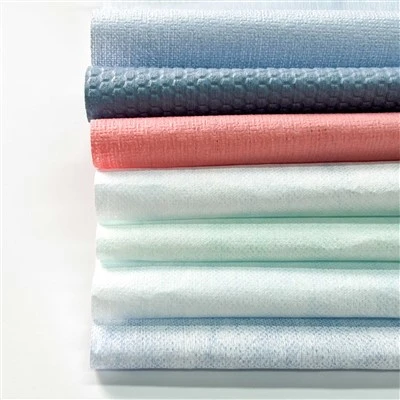
Everyone knows that the role of rags in kitchen cleaning should not be underestimated. Wiping stoves, range hoods, cleaning sinks, wall tiles, tables, chairs and benches... It is precisely because the kitchen needs too many rags, and rags are used. The variety is so wide, from cotton to chemical fiber, so when cleaning different objects, you need to use the corresponding wipes; in addition, even if you DIY, some materials are not suitable for making wipes. Do you know how to choose?
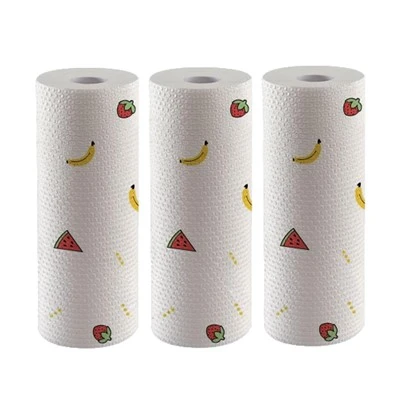
The first is soft wipes, which are extremely common in supermarkets, and we use them a lot in our lives. Looking at its cross section, it is composed of two layers of non-oil-absorbing fibers (the so-called "oleophobic mesh") wrapped in the middle non-woven fabric layer (responsible for water absorption). And because it is very thin, the corresponding limit of the amount of water that can be absorbed (that is, the water storage capacity) is very low, want to use it to absorb a lot of water? It can only be wringed dry, absorbing water, and wringing dry. So every time I use this damp cloth to wipe polished countertops, tableware and utensils, it is very easy to leave water marks.
There are also steel wire rags: among all the rags, the steel wire rag is probably the strongest in decontamination. Anything that is dirty can be wiped very cleanly when it encounters it. However, you must wear gloves when using a steel wire rag, otherwise it is very easy to be scratched by the steel wire. Do not use a steel wire rag for some smooth tableware, ceramic tiles, countertops and the like. However, the rags should also be "dedicated for special cloths." The rags for wiping furniture, the rags for wiping eating utensils, the rags for wiping the floor, etc. must be strictly separate and dedicated. The wiping process must also have a certain order, such as first inside and then outside, first and then on. Next, wipe all the objects to be wiped evenly, don't drop the corners, don't miss the wipe.